What is in-house financing? In-house financing is when a car dealership is also the lender — you make monthly payments directly to the dealer instead of a bank. Fort Lauderdale Auto Sales offers in-house financing for buyers with no credit, bad credit, or ITIN. Call (954) 793-1761.
What Is In-House Financing? Definition & How It Works
In-house financing is when the dealership is also your lender. Understand how it works, who qualifies, and how it compares to traditional bank loans.
Every car inspected, every car warranted.
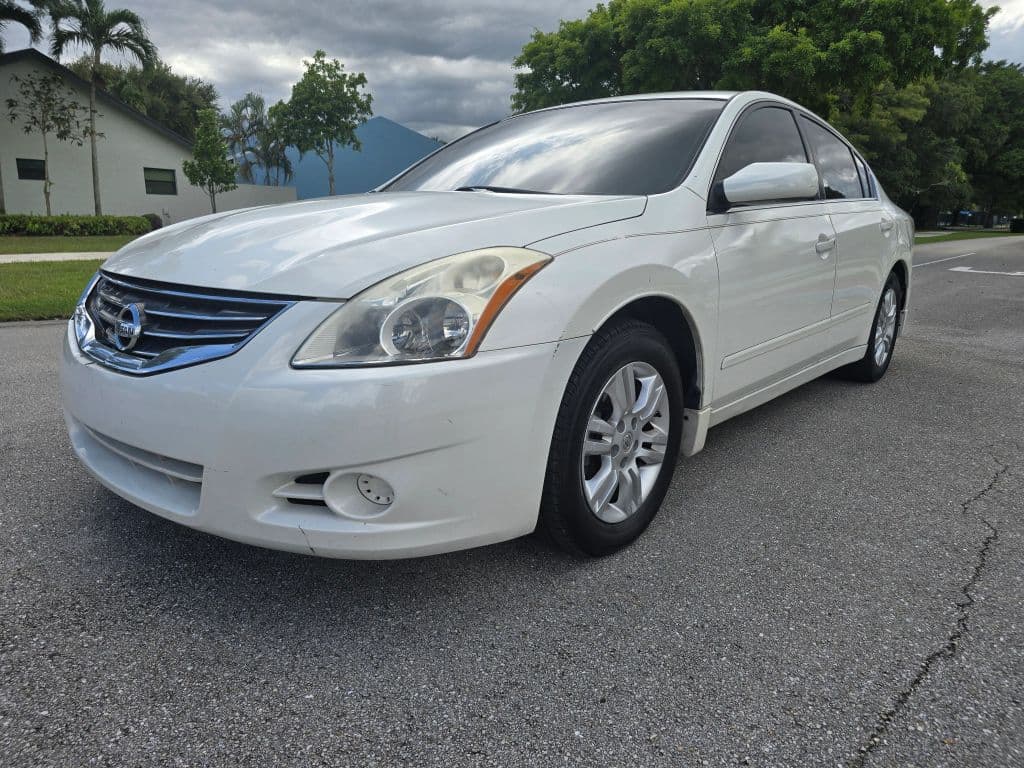
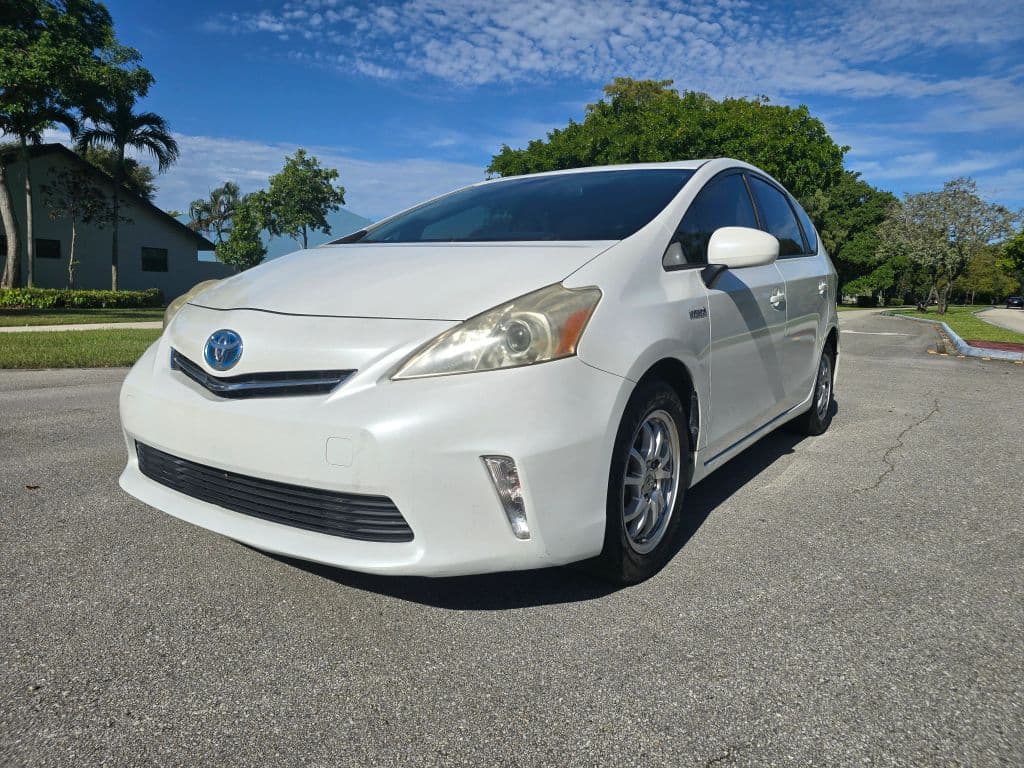
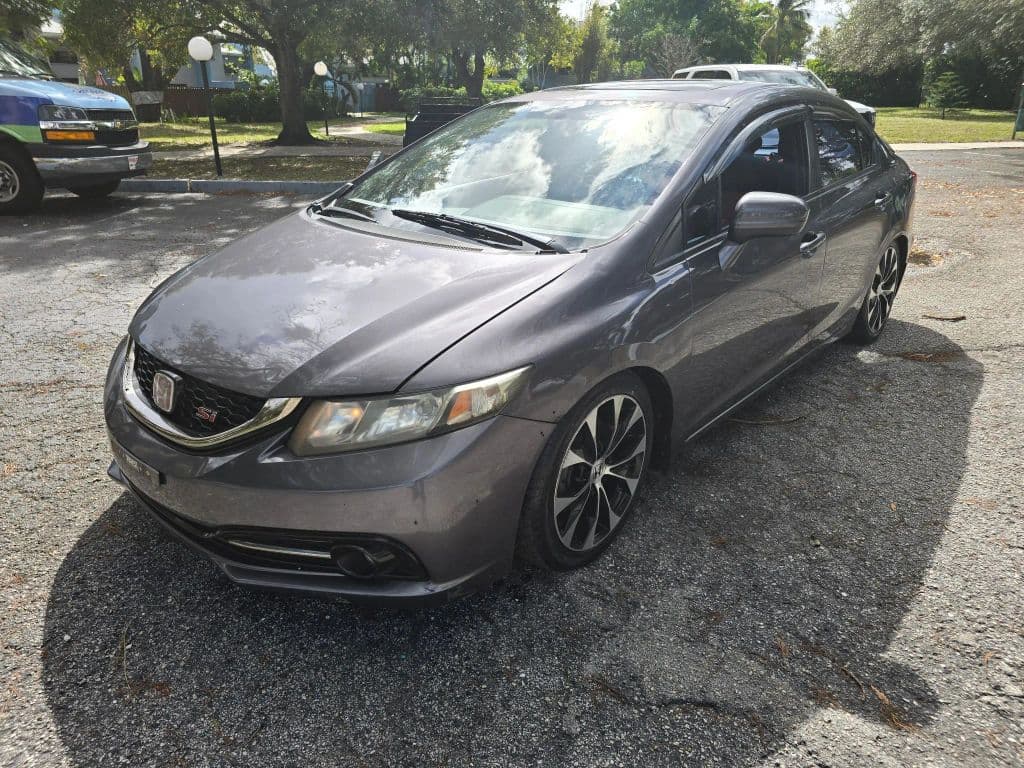
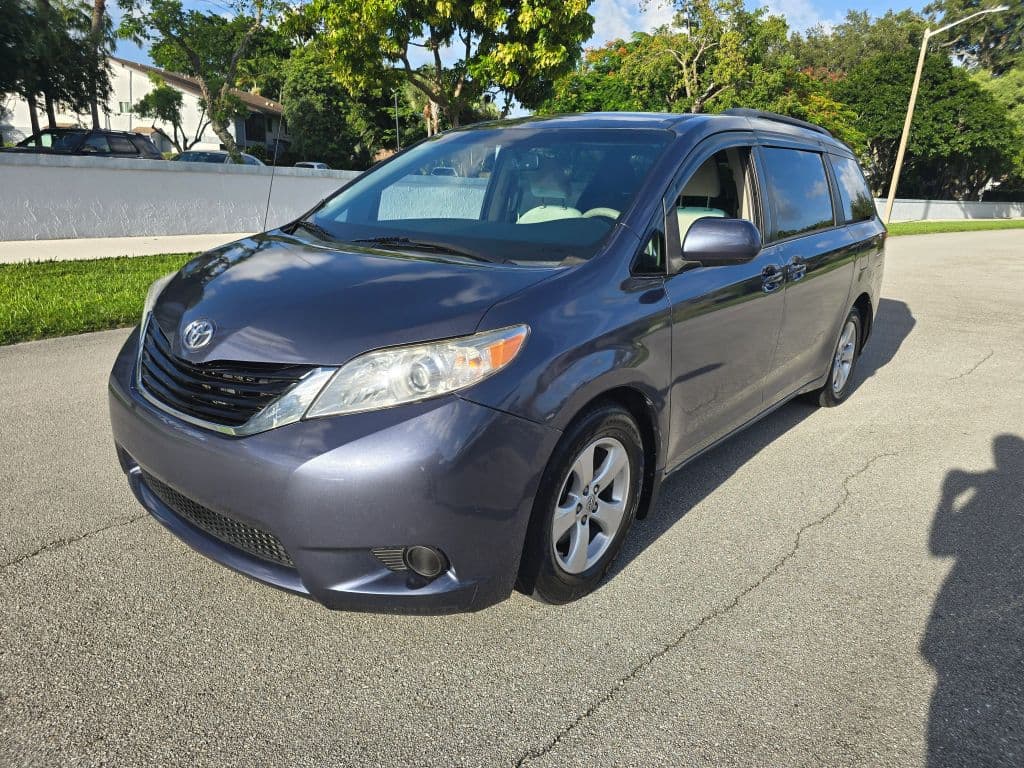
Tell Omari what you want and he'll find it.
We buy at dealer-only auctions every week. Say the make, model or budget and we'll go look for it.
No credit check, no obligation. Omari texts you directly.
In-House Financing Explained
In-house financing is when the dealership itself acts as the lender, instead of routing the buyer to a bank or credit union. The buyer makes monthly payments to the dealership directly. At FLAS, qualifying buyers can explore cars with a $500 down-payment option; that advertised down payment does not include the separate taxes, tag, title, and insurance required to drive away.
How In-House Financing Works
- Application: Fill out a financing application with proof of income and identity (driver's license, passport, or ITIN).
- Approval: The dealer reviews your income and approves you based on affordability, not credit score. Approval can happen the same day.
- Contract: You sign a promissory note and financing agreement. The dealer holds the title until you pay it off.
- Payments: You make monthly payments directly to the dealership until the loan is paid off.
Frequently Asked Questions
In-House Financing in Fort Lauderdale
At Fort Lauderdale Auto Sales, we specialize in in-house financing for buyers with no credit, bad credit, or non-traditional income. Owned and operated by Omari Grant, an ASE-certified mechanic since 2013. Every vehicle is personally inspected and backed by a 90-day warranty.
Ready to Get Financed?
Open 9am–6pm Monday–Friday and 10am–6:30pm Saturday. Call (954) 793-1761.