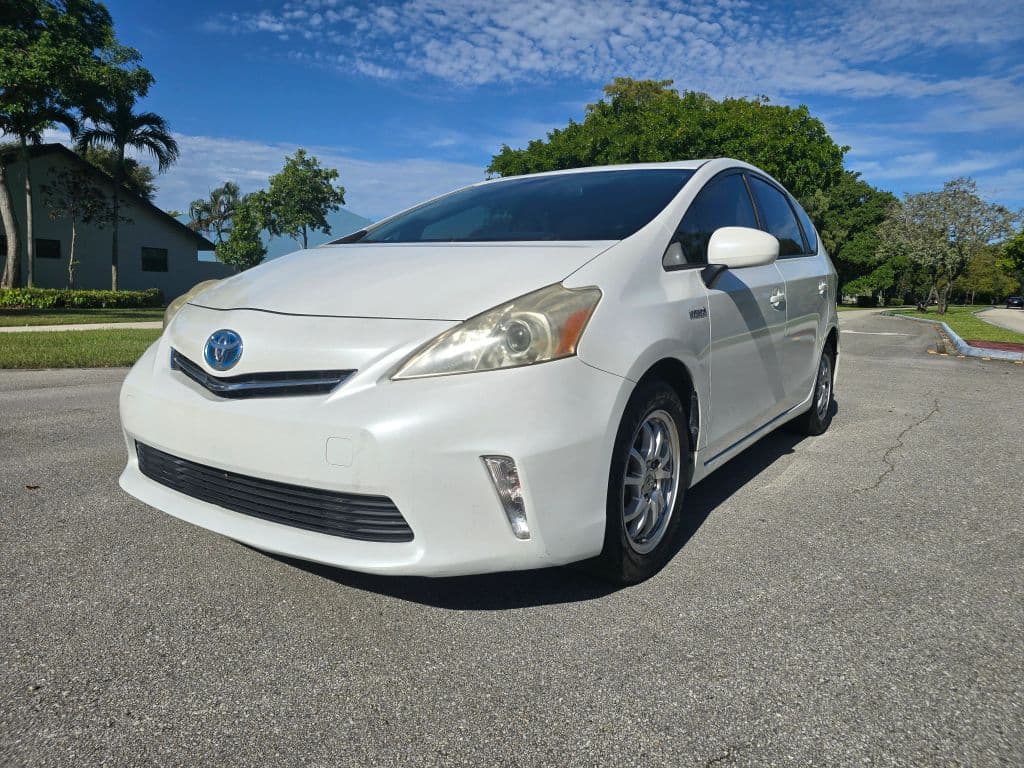
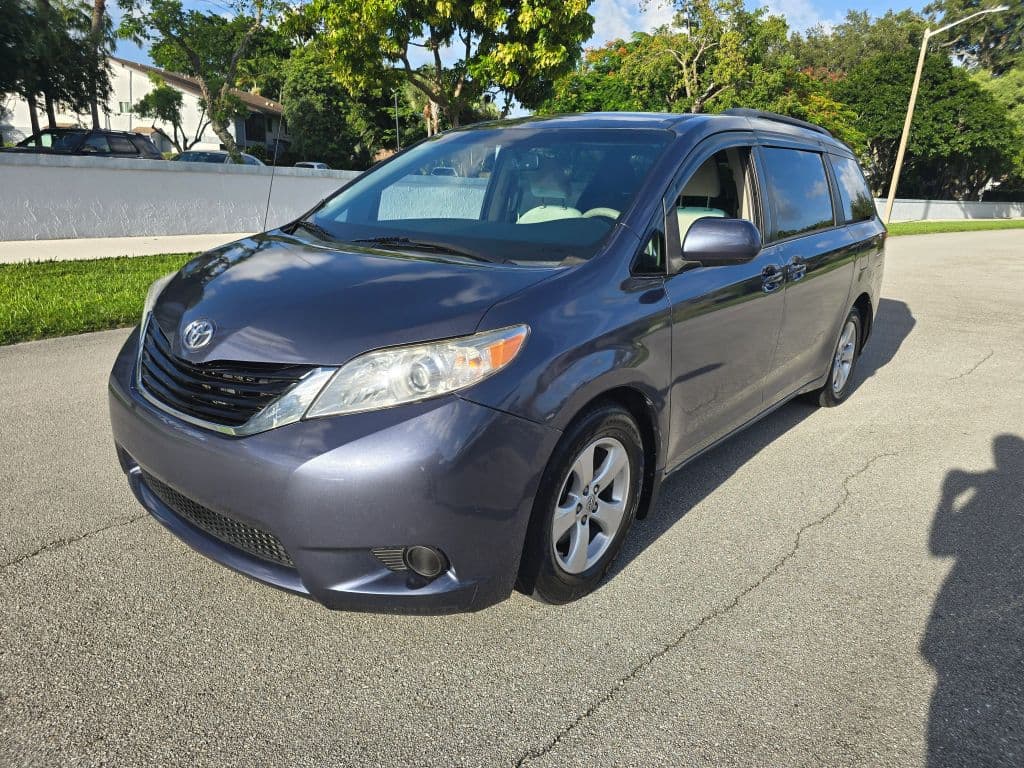
According to Omari Grant, ASE-certified mechanic and owner of Fort Lauderdale Auto Sales, the most reliable used cars are the Toyota Corolla, Toyota Camry, and Honda Accord with the 2.0-liter turbo, followed by the Honda Civic, Toyota RAV4, and Honda CR-V. He chooses picks based on how often each model actually comes into his repair shop, parts cost and availability, drivetrain simplicity, and how well the car holds up in South Florida heat. He steers buyers away from the Chevy 1.5-liter engine over 100,000 miles, Mini Coopers, four-cylinder BMWs, and out-of-state cars with northern rust. Call (954) 793-1761 for current inventory.
Mechanic's Picks · Reliability Guide
The Most Reliable Used Cars — A Mechanic's Picks
After 20+ years fixing cars in South Florida, owner Omari Grant knows which used cars last the longest and cost the least to keep running. Here are his picks — and how he chooses them.
Omari Grantis an ASE-certified mechanic and owner of Fort Lauderdale Auto Sales in Oakland Park, Florida. He has run Front Line Auto, a full-service repair shop, since 2001 and opened the dealership in 2013. These picks come from inspecting, repairing, and selling used vehicles over two decades in Broward County — not from a spec sheet.
How the picks are chosen
Selection methodology.
Last reviewed August 5, 2026. A model earns a place on this list when it clears all four tests below. The picks are re-reviewed as Omari's shop data and the used-car market change.
/ 01
Repair frequency
How often I actually see it in the shop.
Front Line Auto has been repairing cars in Oakland Park since 2001. A model earns a spot here when it's one I rarely see come in for anything beyond routine maintenance — not because of a magazine ranking.
/ 02
Parts & cost
Cheap, common parts win.
Reliability isn't just how often something breaks — it's what it costs when it does. Cars with a large aftermarket parts supply and simple designs get fixed faster and cheaper, which is why Japanese makes dominate this list.
/ 03
Drivetrain
Understand the timing system.
Many Honda and Toyota engines use timing chains without a routine replacement interval, while timing belts require service at the manufacturer-specified interval. Neither system is failure-proof, so maintenance records and inspection still matter.
/ 04
South Florida fit
Inspect for heat and corrosion.
South Florida cars avoid routine road-salt exposure, but coastal air, flooding, and prior out-of-state use can still cause corrosion. I inspect for rust while also weighting AC durability and cooling-system health for local heat.
What gets rejected
A car doesn't make the list — or the lot — if it fails the non-negotiables. At any price, the engine, transmission, tires, and brakes have to be sound. Beyond that, Omari steers buyers away from:
The Chevy 1.5-liter turbo over 100,000 miles, Mini Coopers, and four-cylinder BMWs — known timing-chain issues and high maintenance costs.
Cars with material rust or corrosion. Local history can reduce routine road-salt exposure, but no car is rust-proof. Omari checks engine mounts, radiator-area fasteners, and other exposed metal, especially on vehicles that spent time in colder climates.
Claim-level source key
Reliability picks and issue notes: Omari Grant's first-party Front Line Auto inspection and repair observations. These are dated editorial judgments, not findings attributed to EPA, NHTSA, a manufacturer, or a universal reliability study.
Fuel-economy ranges: compare the exact model year, engine, and drivetrain at FuelEconomy.gov; the ranges shown here span multiple configurations.
Safety recalls: use the NHTSA VIN recall lookup for the exact car. A model's place on this list never replaces a vehicle-history review or pre-purchase inspection.
Omari's picks
Ten used cars that earn their keep.
Ranked by real-world repair frequency, maintenance cost, and fuel efficiency — not brand loyalty.
1
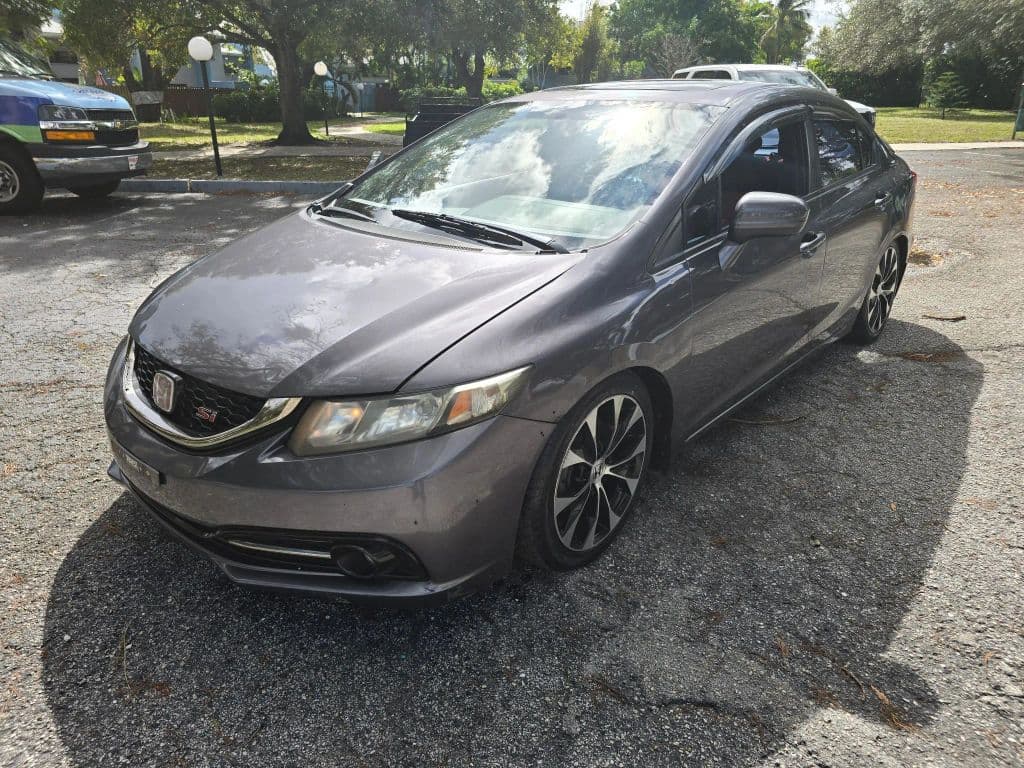
Honda Civic
2012–2019 · 28–42 MPG (EPA est.)
Mechanic's take: The car I recommend most to first-time buyers. The engine is virtually bulletproof if you keep up with oil changes. Parts are cheap and available everywhere. I've seen Civics with 250,000+ miles still running strong.
Common issues: AC compressor can go around 120K miles. Some 2012–2013 models had paint-peeling recalls. Check for oil dilution on the 1.5T turbo (2016+).
Evidence for this entry: the pick and issue notes are Omari Grant's dated shop observations. Verify the displayed MPG range for the exact configuration with the EPA fuel-economy lookup, and check the exact VIN for open recalls with NHTSA.
2
Toyota Camry
2012–2020 · 28–39 MPG (EPA est.)
Mechanic's take: The gold standard for reliability. These cars just don't break. The 2.5L four-cylinder is one of the most dependable engines ever made — I rarely see Camrys come in for anything other than routine maintenance.
Common issues: Some 2012–2014 models burn a little oil between changes. Brake rotors can warp if not serviced on schedule. Dashboard melting was a known issue on certain 2012–2014 models.
Evidence for this entry: the pick and issue notes are Omari Grant's dated shop observations. Verify the displayed MPG range for the exact configuration with the EPA fuel-economy lookup, and check the exact VIN for open recalls with NHTSA.
3
Toyota Corolla
2014–2019 · 30–40 MPG (EPA est.)
Mechanic's take: If you want the cheapest car to own long-term, this is it. The Corolla has the lowest maintenance costs in its class. Simple, reliable, and parts cost next to nothing.
Common issues: The CVT can feel sluggish. Not the most exciting to drive. Some water-pump issues around 100K miles on certain years.
Evidence for this entry: the pick and issue notes are Omari Grant's dated shop observations. Verify the displayed MPG range for the exact configuration with the EPA fuel-economy lookup, and check the exact VIN for open recalls with NHTSA.
4
Honda Accord
2013–2020 · 27–38 MPG (EPA est.)
Mechanic's take: Everything I said about the Civic, plus more space. The best all-around midsize sedan for reliability. Great for families. The 2.0-liter turbo is a strong, dependable engine.
Common issues: 2013–2015 V6 models can have transmission torque-converter issues. Check battery terminals for corrosion. Starter motors can wear around 150K miles.
Evidence for this entry: the pick and issue notes are Omari Grant's dated shop observations. Verify the displayed MPG range for the exact configuration with the EPA fuel-economy lookup, and check the exact VIN for open recalls with NHTSA.
5
Hyundai Sonata
2015–2019 · 26–36 MPG (EPA est.)
Mechanic's take: Hyundai has closed the gap with Honda and Toyota. The 2015+ Sonata is a genuinely reliable car at a lower price point. Avoid the 2011–2014 engine-recall years.
Common issues: 2011–2014 models had engine-recall issues — steer clear of those. 2015+ resolved most problems. Some paint-quality concerns. Keep up with oil changes.
Evidence for this entry: the pick and issue notes are Omari Grant's dated shop observations. Verify the displayed MPG range for the exact configuration with the EPA fuel-economy lookup, and check the exact VIN for open recalls with NHTSA.
6
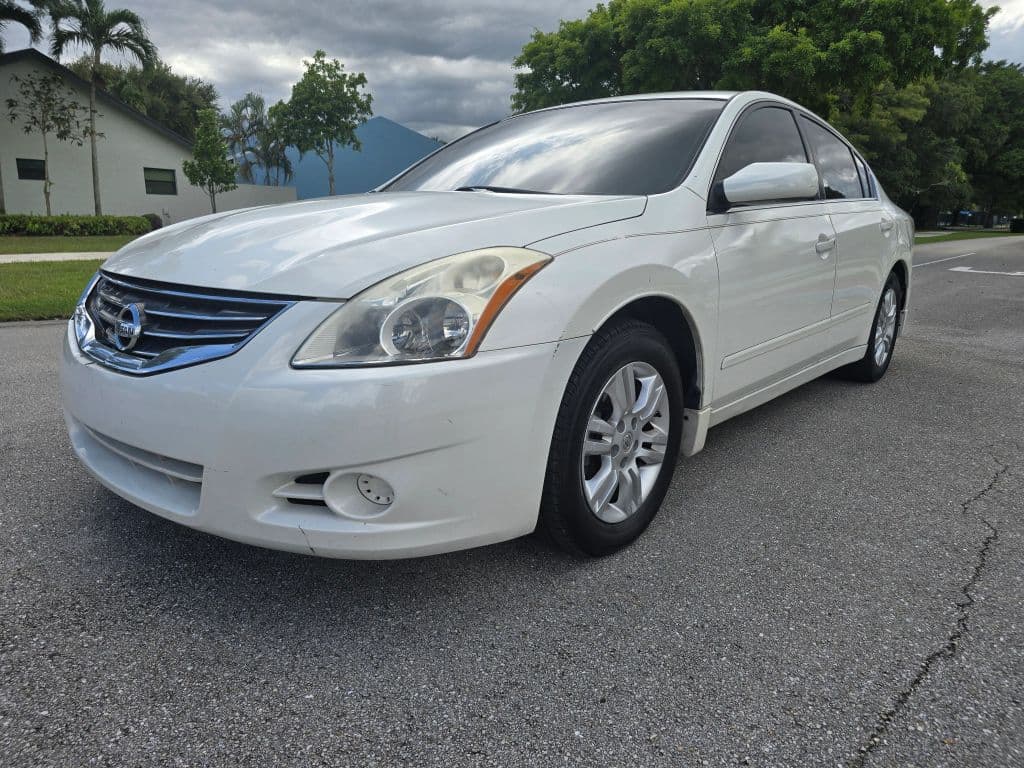
Nissan Sentra
2013–2019 · 29–37 MPG (EPA est.)
Mechanic's take: The most affordable reliable car you can buy. It's basic, but basic means fewer things to break. Great gas mileage for daily commuting.
Common issues: The CVT is the weak point — check for jerking or hesitation and change the fluid on schedule. AC can struggle in South Florida summers.
Evidence for this entry: the pick and issue notes are Omari Grant's dated shop observations. Verify the displayed MPG range for the exact configuration with the EPA fuel-economy lookup, and check the exact VIN for open recalls with NHTSA.
7
Toyota RAV4
2013–2018 · 24–30 MPG (EPA est.)
Mechanic's take: If you need an SUV and want reliability, the RAV4 is the answer — the most dependable compact SUV I've worked on. Good ground clearance and practical cargo space.
Common issues: Some 2013–2014 models had transmission-shifting concerns. Water pump can leak around 100K. Brake pads wear faster due to vehicle weight.
Evidence for this entry: the pick and issue notes are Omari Grant's dated shop observations. Verify the displayed MPG range for the exact configuration with the EPA fuel-economy lookup, and check the exact VIN for open recalls with NHTSA.
8
Honda CR-V
2012–2019 · 26–32 MPG (EPA est.)
Mechanic's take: Holds its value better than almost any SUV in this range. Mechanically solid, great visibility, and Honda's reputation for low repair costs. Families love this car.
Common issues: 2017–2018 models had oil-dilution issues with the 1.5T engine — check for a gas smell in the oil. AC compressor failures reported on older models.
Evidence for this entry: the pick and issue notes are Omari Grant's dated shop observations. Verify the displayed MPG range for the exact configuration with the EPA fuel-economy lookup, and check the exact VIN for open recalls with NHTSA.
9
Ford Fusion
2013–2019 · 23–34 MPG (EPA est.)
Mechanic's take: An underrated commuter car. The 2.5L four-cylinder is simple and reliable, the ride is comfortable, and repair costs are reasonable.
Common issues: Avoid the 1.5L EcoBoost if you can — coolant can leak into the cylinders. Some steering-rack issues on early models; power steering can fail on 2013–2014 cars.
Evidence for this entry: the pick and issue notes are Omari Grant's dated shop observations. Verify the displayed MPG range for the exact configuration with the EPA fuel-economy lookup, and check the exact VIN for open recalls with NHTSA.
10
Chevrolet Malibu
2016–2020 · 27–36 MPG (EPA est.)
Mechanic's take: The 2016+ Malibu is a sleeper pick — Chevy redesigned it and the interior is spacious with good tech. Solid value against a Camry or Accord if it's been maintained.
Common issues: Transmission shudder at low speeds is the most common complaint. Fuel-pump recalls on some 2017–2018 models. Occasional electronic gremlins.
Evidence for this entry: the pick and issue notes are Omari Grant's dated shop observations. Verify the displayed MPG range for the exact configuration with the EPA fuel-economy lookup, and check the exact VIN for open recalls with NHTSA.
Common Questions
Reliable Used Cars FAQ
Inventory + Price Drops
Waiting for one of Omari’s reliable picks?
Tell us what fits. We’ll use the email and/or phone you provide only for matching inventory and price-drop alerts. New vehicles arrive throughout the week.